
Business insights
How to Clean Solar Panels in Brisbane for a Brighter Future
Learn how to clean solar panels in Brisbane and keep them performing at their best with our eco-friendly window cleaning services.
4k windows · 7 min read
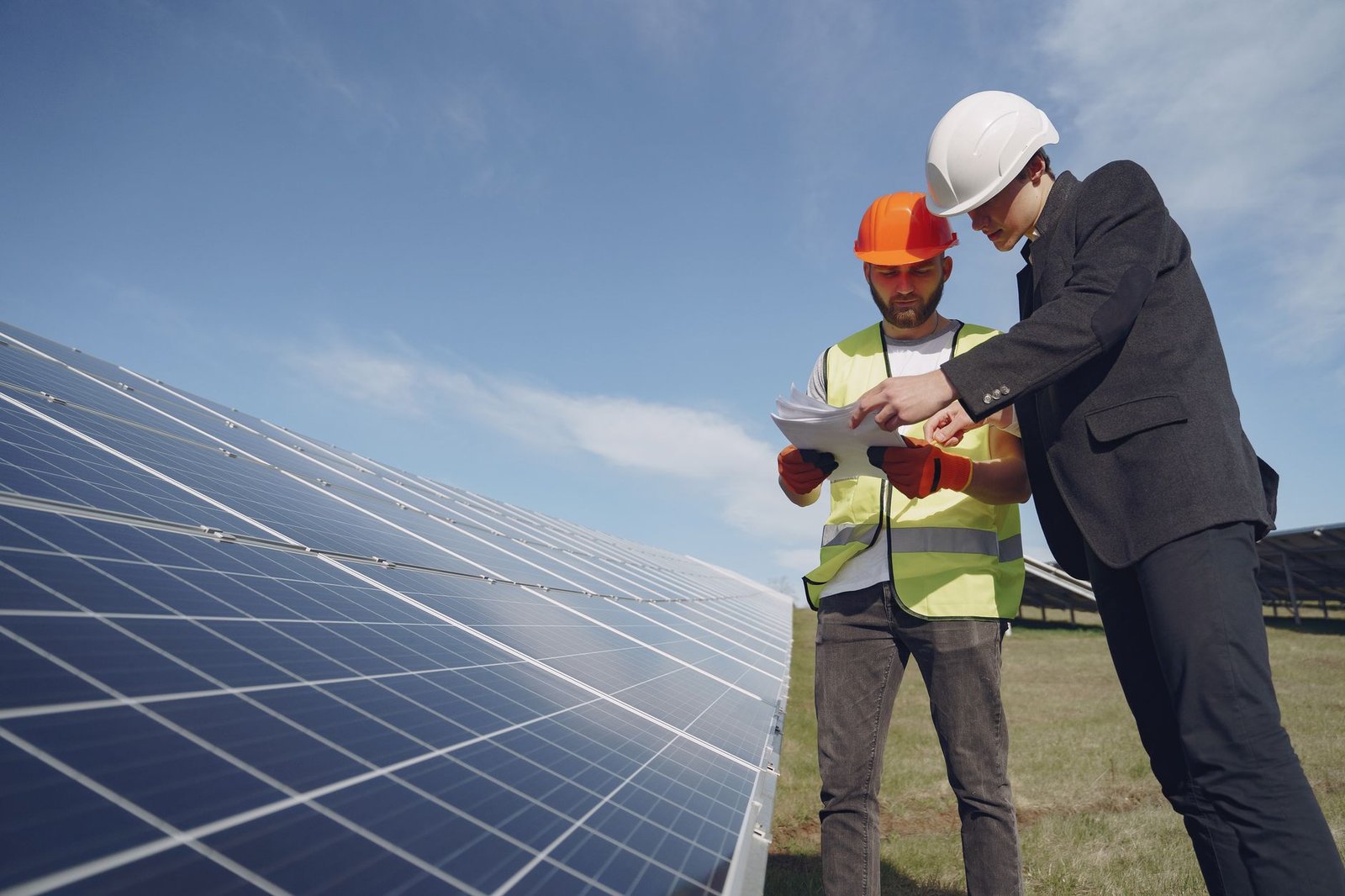
Most homeowners assume a good downpour will keep their solar panels clean enough. Rain actually bakes dirt onto the glass, and over time that film shades the cells and quietly costs you money on your power bill. It's not about spotless glass. It's about stopping build-up before it drags your system down.
We see this all the time in Brisbane, plenty of sunshine, but plenty of dust, pollen and bird life too. 4K Windows handles window cleaning, gutter cleaning, pressure washing and solar-panel cleaning across Brisbane, so this guide comes from what we actually see on Brisbane roofs, not a generic checklist. Queensland Government guidance also recommends keeping gutters and downpipes clear so water can drain away, the same runoff paths matter for the panels sitting above them. The Queensland SES storm guidance also recommends keeping gutters and downpipes clear.
One important note before we go further: solar panels sit on a roof, and roofs are the single most common place Australians are seriously hurt at work. WorkSafe Queensland's work-at-heights guidance spells out the fall risks on edges and sloping surfaces. If you're not confident and properly set up, this is a job to hand over.
The question most owners get wrong
Forget "how often" for a moment. The real question is how much energy you're losing because the panels are dirty.
A shaded cell doesn't just underperform on its own. It forces the whole string to operate at its weakest point, dragging down the entire system. That's why a light, even film of grime can hurt output more than owners expect, and why a single splatter of bird droppings across the wrong cell can matter more than a general dusting.
Before you book a clean, look at your inverter data or app. If output has quietly slipped compared with the same month last year, dirt is a likely suspect. Weigh the cost of a clean against the power you're leaking, not against how the panels look from the driveway.
What actually goes wrong when you don't clean them
Ignoring solar panels isn't like letting dust gather on a shelf. A few things happen in order:
- Output drops. A film of dust, pollen, salt or exhaust residue reduces the light reaching the cells.
- Hot spots form. Concentrated dirt (bird droppings especially) can create localised heat build-up that shortens cell life.
- The grime cements on. Rain plus sun bakes light dirt into a harder layer that a rinse won't shift.
- Small problems hide. Cracked glass, lifted flashing, corroded mounts and bird nests under the array all get missed until they're expensive.
The impact isn't even across the roof, either. North-facing panels usually stay cleaner than east- or west-facing ones. Anything shaded by trees or a neighbouring roofline collects more debris and dries more slowly. That's why a blanket schedule often over-cleans one side and under-cleans the other.
How often should I clean my solar panels?
There's no single right answer, but for Brisbane conditions, twice a year is a sensible starting point, once heading into summer, once heading into the cooler months. Adjust up from there if any of these apply:
- Trees overhang the array (leaves, sap, bird traffic).
- You're near a main road, industrial area or construction site.
- You're within a few kilometres of the coast (salt film).
- Your inverter shows an unexplained drop in output.
Adjust down if the array is on a steep, well-oriented roof away from trees and traffic and the numbers are holding.
The type of dirt matters as much as the amount. Light dust and pollen respond well to a straightforward wash. Bird droppings, tree sap and industrial fallout usually need a pre-treatment before rinsing, or they'll smear rather than lift.
How we clean solar panels (and how you should think about it)
Two rules underpin everything else: no harsh chemicals, and no abrasive brushes on the glass. Panels have an anti-reflective coating that scratches easily, and aggressive detergents can leave residue that attracts more dirt than they removed.
Our approach uses eco-friendly cleaning products and techniques, including water-fed poles for window cleaning and environmentally safe solar-panel cleaning solutions. The sequence on a typical Brisbane roof looks like this:
- Pre-rinse with low-pressure water to lift loose dust, pollen and leaf matter.
- Spot-treat stubborn marks, bird droppings, sap, industrial film, with a mild, biodegradable solution.
- Wash and rinse through a water-fed pole using purified water, so nothing dries back onto the glass.
- Inspect each panel and its mounting for cracks, lifted flashing, chewed cabling or nesting.
Roof type changes the method. Tile, Colorbond and tin all behave differently underfoot and in the wet, and the safe angles for working around them aren't the same. Any competent cleaner should be adjusting to what's actually up there rather than running the same routine on every job.
What is water-fed pole cleaning, and why does it matter for panels?
Water-fed poles aren't just a way to reach high panels from the ground. The point is what comes out of the pole: purified, deionised water with the minerals stripped out.
Ordinary tap water dries and leaves a mineral film behind. That film is faintly sticky, attracts the next round of dust, and gradually reduces the light hitting the cells, the opposite of what you paid for. Purified water dries clear, so the clean actually lasts.
The pole side matters too. Working from the ground means fewer people on the roof, less foot traffic across the panels themselves (they're not designed to be walked on), and a much lower chance of a serious fall. For most Brisbane homes it's the right tool for the job. The exception is heavy, baked-on contamination that needs closer work and a specific pre-treatment, a good operator will tell you when a plain water-fed wash won't cut it.
Should I clean solar panels myself?
You can, and for a low-set home with easy, safe roof access and a mild dust film, a careful DIY wash is reasonable. A few ground rules if you do:
- Do it early morning or late afternoon, when the glass is cool. Cold water on hot panels can crack them.
- Use a soft cloth or soft brush, never anything abrasive.
- Skip household detergents, most leave residue. Plain water first; a mild, panel-safe solution only if needed.
- Never pressure-wash panels. High pressure can force water past the seals and into the cell laminate.
- Stay off the panels. They're glass over silicon, not a walking surface.
- Isolate the system at the inverter before you start, per your installer's instructions.
If the roof is steep, two-storey, tiled, or the array is heavily fouled, the height risk and the risk of damaging the panels both climb quickly. That's the point where a professional clean pays for itself, not because the job is complicated but because the consequences of getting it wrong are.
Is a professional clean worth the cost?
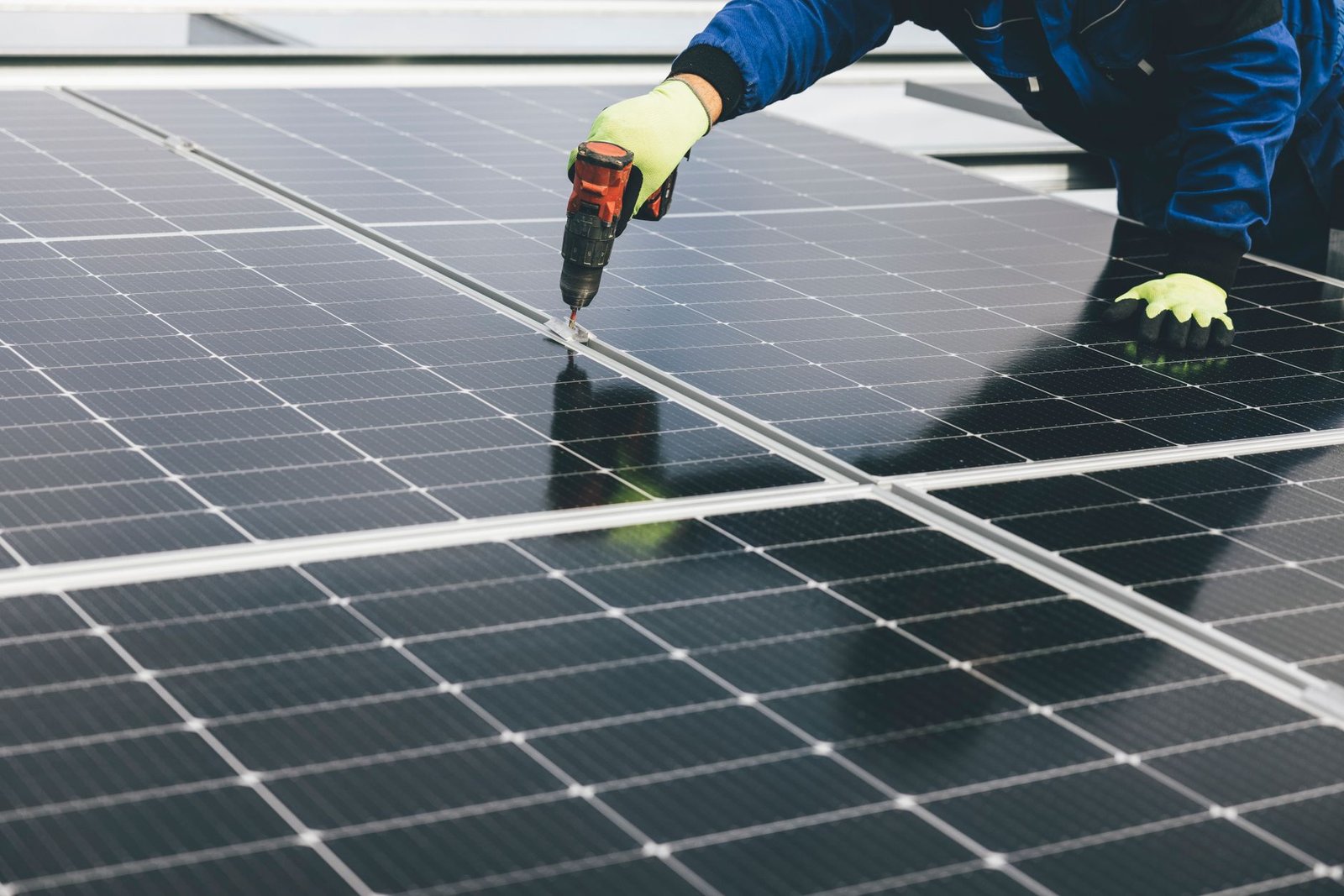
Rather than promise a specific dollar figure, do the maths against your own system. Take your average daily generation from the inverter app, compare it against the same period last year (or against your neighbours' similar-sized systems), and translate any shortfall into kilowatt-hours at your current tariff. If the annual gap is meaningful, a clean pays for itself. If it isn't, it doesn't, and a good operator will tell you so.
There are secondary benefits that don't show up on the power bill:
- Early sight of cracked glass, lifted flashing, or corroded mounts before they turn into a repair.
- Removal of bird nests and debris that trap moisture against the roof.
- A visual check of cable runs and isolator condition.
- Panels that actually look like the ones on the brochure.
Bundling with window cleaning, gutter cleaning or pressure washing usually makes the trip more economical than booking any of them alone.
How to book, or get a straight answer first
If you want us to look at your system, there are three ways to get in touch:
- Booking page on our website for window, gutter, pressure-wash or solar-panel work.
- Text-message quote link if you'd rather send a photo and get a written price back.
- Phone 0433 369 778, this is the fastest way to reach us and the one we recommend.
For window cleaning we also publish a self-quote calculator on the site so you can price a job yourself. Fair warning: paint overspray, heavy dirt or anything needing a deep clean can change the final price, and we'll flag that before we start rather than after.
We won't push a clean you don't need. If the panels are fine, we'll say so and come back when they aren't.
Common questions
How often should I clean my solar panels?
Regular cleaning is recommended to maintain peak performance and extend the lifespan of your solar panels. We recommend cleaning every 3-6 months depending on environmental conditions.
What happens if I don't clean my solar panels?
Dirty solar panels can reduce energy output and decrease their overall efficiency. Regular cleaning helps remove dirt and debris that can cause this issue.